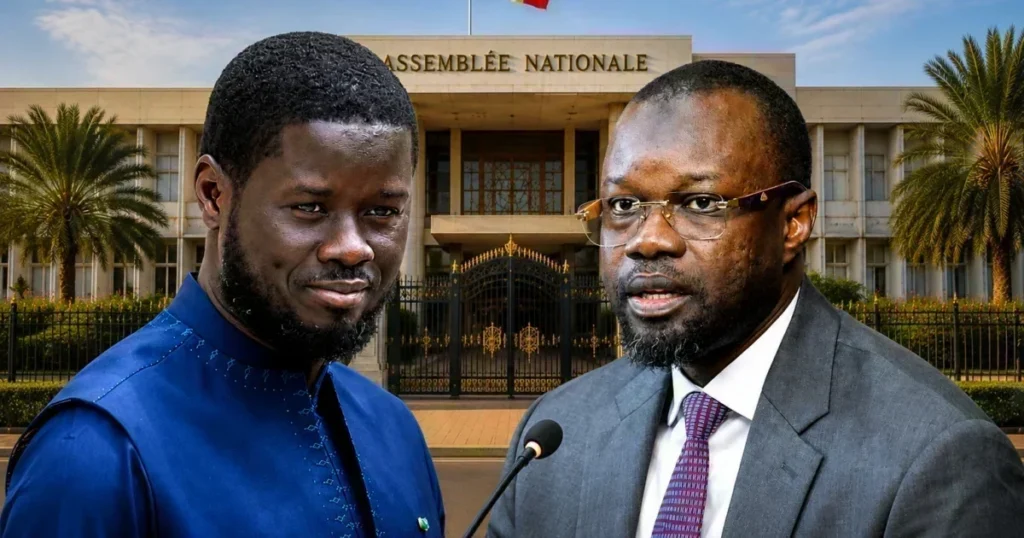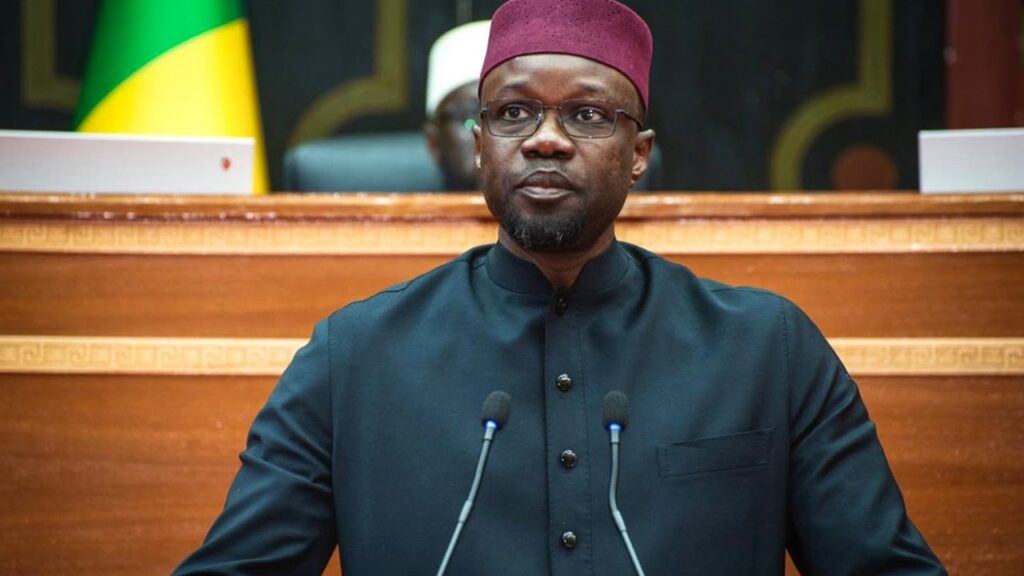
The sudden removal of Ousmane Sonko, a pivotal figure in Sénégal’s ruling coalition and co-architect of Bassirou Diomaye Faye’s electoral victory, has sent shockwaves through the political landscape. Initial reports from Dakar highlight Pastef’s swift response to address misinterpretations and clarify the decision’s implications, emphasizing transparency to curb speculation.
a political earthquake in Sénégal’s governing coalition
Sonko’s dismissal marks a watershed moment for Pastef, a movement built around his charismatic leadership. Until now, he served as the backbone of the coalition that secured the 2024 presidential election. While the exact repercussions remain unclear, his departure immediately alters the party’s internal dynamics and raises questions about the durability of the executive duo that drove the historic political shift.
Political analysts note the unprecedented nature of this rupture. Rarely has a symbolic or structural break within a dominant party elicited such swift reactions from militants, cadres, and public opinion leaders. The emotional weight of the situation, compounded by the party’s reliance on Sonko’s influence, further complicates objective analysis.
pastef’s measured response: prioritizing unity over division
In its official statement, Pastef adopted a deliberate tone, focusing on internal clarity and procedural discipline. The party underscored the distinction between governmental functions and partisan leadership, a nuance intended to prevent the dismissal from being perceived as an existential crisis. By reiterating the continuity of its political agenda, Pastef aims to reassure supporters while navigating the turbulent waters of public opinion.
However, the blurred line between state authority and party leadership—especially in a movement as personalized as Pastef—poses challenges. Local cadres, deeply loyal to Sonko, are now awaiting decisive signals about the party’s next steps. The leadership’s ability to manage internal dissent will be a critical barometer in the coming weeks.
broader implications for Sénégal’s institutional path
The ramifications of this decision extend beyond Pastef, casting a shadow over the country’s ongoing reforms. Key sectors such as public finances, hydrocarbon management, justice, and territorial governance are at stake, with regional partners and international donors closely monitoring progress. Any perceived instability in the executive’s command could disrupt the pace and transparency of these initiatives.
For investors and diplomatic circles, two priorities stand out. First, the durability of the economic and fiscal roadmap launched in 2024, particularly as the UEMOA zone grapples with Sahelian instability. Second, the executive’s capacity to maintain constructive dialogue with opposition groups and civil society, especially ahead of upcoming legislative and local elections.
The timing of this crisis is critical. West Africa’s institutional stability has become increasingly fragile, and Sénégal’s reputation as a democratic outlier is at stake. The global perception of the country—from Abidjan to Paris—hinges on how Pastef navigates this internal challenge. A well-managed response could reinforce confidence, while missteps risk undermining hard-earned credibility.
For now, the ball is in Pastef’s court. The party must translate its official communication into a coherent political roadmap. Equally decisive will be Ousmane Sonko’s next public appearance, which will shape the narrative and determine the movement’s future trajectory.